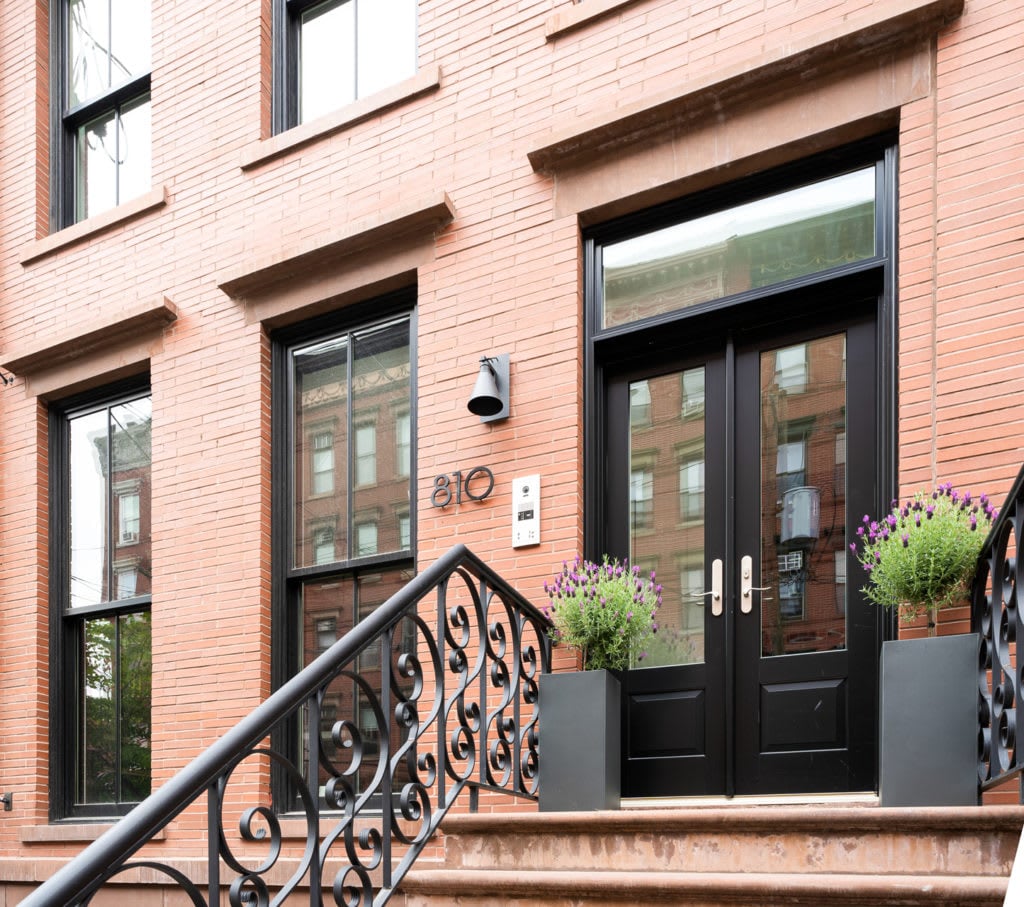
Dreaming about exposed brick, soaring ceilings, and oversized windows in Jersey City? Loft-style living has real appeal, but the term “loft” can mean very different things depending on the building, the neighborhood, and the price point. If you are buying, selling, or simply exploring the market, it helps to know what is truly out there and how to make these dramatic spaces work beautifully day to day. Let’s dive in.
What Loft-Style Means in Jersey City
In Jersey City, a loft can be a true industrial conversion or a newer loft-style condo inspired by that look. In general, loft homes are known for open floor plans, high ceilings, large windows, and architectural details like exposed beams or ductwork.
That distinction matters because two homes labeled “loft” may offer very different experiences. One may be in a former warehouse with original industrial character, while another may be a modern condo with open space and tall ceilings but fewer historic details.
Jersey City’s local loft identity is especially tied to its industrial past. The Powerhouse Arts District redevelopment plan specifically promotes work/live loft-style units and preserving the area’s historic warehouse character, which helps explain why loft living feels so rooted in place here.
Where To Find Lofts in Jersey City
Downtown and Powerhouse Arts District
If you are looking for the most classic loft atmosphere, Downtown Jersey City is the clearest starting point. The Powerhouse Arts District stands out for its warehouse history, flexible open floor plans, oversized unit doors, and freight elevator access described in the city’s redevelopment plan.
This part of Jersey City includes examples like Waldo Lofts at 159 2nd Street, 140 Bay Street, and 299 Pavonia Avenue. For many buyers, this area delivers the strongest mix of authentic industrial character and a true loft setting.
Journal Square
Journal Square is another important loft pocket, especially if you want conversion character with a different price profile. Canco Lofts is a strong local example, described as a converted factory elevator building with 14-foot ceilings, 11-foot windows, and amenities that include concierge, fitness spaces, and a shuttle to the Journal Square PATH.
That combination shows why Journal Square draws attention from buyers who want both volume and convenience. It can offer a loft feel with a more amenitized building experience.
The Heights
The Heights also deserves a close look. In and around the Riverview Arts District, loft-style homes can include features like wood-paneled high ceilings, hardwood floors, fireplaces, storage, and parking.
The area shows how broad the category can be. Some loft-style homes in The Heights present a more residential setting while still delivering the scale and personality buyers often want from this property type.
Jersey City Loft Prices Vary Widely
One of the most important things to understand is that pricing depends more on neighborhood and building than on the loft label alone. As of April 2026, Realtor.com reports a Jersey City median listing price of $699,000, a median sold price of $643,000, 1,136 active listings, and a median 34 days on market, classifying the city as a balanced market.
Other major platforms show somewhat different citywide figures. Redfin reports a three-month median sale price near $720,000 and 56 days on market, while Zillow’s March 2026 median sale price is $678,083. The takeaway is not to treat one portal as the full story, but to view the market through a local, building-by-building lens.
Neighborhood medians also show how much submarket matters. Realtor.com places Journal Square near $499,000, West Side around $394,000, Downtown Jersey City about $735,000, The Heights around $849,000, and The Waterfront near $930,000.
Those are broad figures across property types, so an individual loft may fall well above or below the local median. Size, ceiling height, window lines, parking, views, finishes, and service level can all shift value significantly.
Real Loft Price Examples
Current loft-style listings show just how wide the range can be in Jersey City. Recent examples include:
- 140 Bay Street 4J at $325,000 for a studio
- 689 Luis Munoz Marin Boulevard #908 at $499,000 for a one-bedroom
- 207 Ogden Avenue Apartment 1L at $519,000 for a two-bedroom
- 212 9th Street Apartment 4B at $595,000
- 140 Bay Street Apartment 2C at $995,000
- 299 Pavonia Avenue Apartment 2-3 at $1.55 million
That spread tells an important story. Loft-style inventory can start near entry-level condo pricing and extend into premium, oversized conversion homes with a very different buyer profile.
Design Ideas That Work in Loft Spaces
A loft can look stunning online, but living in one well takes a little strategy. The best loft interiors keep the openness people love while making the space feel warm, useful, and easy to understand.
Create Clear Zones
Large open rooms work best when you treat them as a series of zones rather than one giant space. Your seating area, dining area, workspace, and entry should each feel intentional.
Furniture placement helps do that work. Arrange pieces around a focal point, then use area rugs to visually anchor each zone and guide traffic flow.
Soften Industrial Features
Exposed brick, concrete, steel, and ductwork can be beautiful, but they need balance. Plush rugs, rounded furniture, warm woods, leather, linen, and layered textiles help a loft feel more comfortable without losing its architectural edge.
This is especially important in Jersey City conversions, where the industrial bones are often the main attraction. The goal is not to erase that character, but to make it feel livable and refined.
Use Lighting Generously
High ceilings can create drama, but they can also make a room feel cavernous if the lighting plan is weak. A larger overhead fixture helps bring visual scale down, while table lamps, floor lamps, and accent lighting add warmth.
Layered lighting is one of the easiest ways to make a loft feel polished. It also helps define separate functional areas within an open plan.
Keep Window Treatments Tall
Oversized windows are one of the biggest loft selling points, so your design should support them. Hanging curtains high preserves the vertical scale and helps the room feel finished without blocking the light.
Tall mirrors or vertical art can also work well on expansive walls. They reinforce height and keep blank surfaces from feeling unfinished.
Add Privacy Thoughtfully
Open plan living is not always ideal for every routine. If you need more separation for a bedroom, office, or guest space, interior glass doors or partial walls can create privacy while still keeping the loft feeling open.
This approach tends to work especially well in Jersey City lofts where the light and volume are part of the home’s identity. You want to preserve those strengths, not chop them up.
Smart Buying Tips for Jersey City Lofts
If you are shopping for a loft in Jersey City, search beyond the word itself. Portal definitions vary widely, and the number of homes tagged as lofts can change dramatically from site to site.
Instead, focus your search on specific neighborhoods and buildings. A true warehouse conversion in the Powerhouse Arts District or Journal Square may feel very different from a newer loft-style condo in another part of the city.
It also helps to decide what matters most to you early on. Some buyers want authenticity, ceiling height, and original industrial details, while others care more about amenities like concierge service, fitness spaces, parking, or shuttle access.
A design-forward, building-specific approach can save time and lead to better decisions. When you compare loft options, look closely at light, layout, storage, service level, and how well the open space actually functions for your daily life.
Smart Selling Tips for Jersey City Lofts
If you are selling a loft-style home, presentation matters. In a balanced market, buyers still respond strongly to homes that feel clear, finished, and easy to imagine living in.
That is especially true with open layouts. A loft that shows defined living, dining, and work zones will usually read better than a large open room with no clear purpose.
Warm textures, thoughtful lighting, and edited furniture placement can help buyers see scale in a positive way. Instead of feeling unsure about how to use the space, they can immediately understand its flexibility and appeal.
This is where design and marketing work together. Loft homes often have memorable features, but those features need the right visual storytelling to translate into stronger buyer interest.
Why Loft Living Is Also a Location Decision
In Jersey City, choosing a loft is also choosing a neighborhood experience. Downtown and the Powerhouse Arts District tend to offer the most classic warehouse-conversion feel and often command higher pricing.
Journal Square can present a lower entry point with strong conversion character and amenities in some buildings. The Heights can offer loft style with a different neighborhood context and a broader range of layouts and price points.
That is why the best loft search is rarely just about square footage or finishes. It is about how the home, building, and location fit the way you want to live.
Whether you are drawn to an authentic industrial conversion or a newer loft-inspired condo, Jersey City offers real variety. If you want help evaluating the character, pricing, and presentation of loft-style homes across Hudson County, Kaja Bolton brings a design-led perspective to every step of the process.
FAQs
What is a loft-style home in Jersey City?
- A Jersey City loft-style home may be a true industrial conversion or a newer condo with open layouts, high ceilings, large windows, and an industrial-inspired look.
Where are loft-style homes most common in Jersey City?
- The strongest loft concentrations are in Downtown Jersey City and the Powerhouse Arts District, Journal Square, and The Heights.
How much do loft-style homes cost in Jersey City?
- Prices vary widely by neighborhood, building, size, and features, with current examples ranging from about $325,000 to $1.55 million.
Are all Jersey City lofts true warehouse conversions?
- No. Some are authentic conversions in former industrial buildings, while others are loft-style condos that borrow the design features without the same building history.
What should buyers compare when touring Jersey City lofts?
- Focus on the building, neighborhood, natural light, ceiling height, layout function, storage, parking, views, and whether you want amenities or more industrial authenticity.
How should sellers prepare a loft-style home in Jersey City?
- Sellers should define clear living zones, layer in warm textures and lighting, and present the open space in a way that helps buyers understand how it can be used every day.