Choosing between a condo and a townhome in Jersey City can feel simple at first, until you start thinking about your routine, your budget, and how you actually want to live. You may want easy upkeep and building amenities, or you may be craving more separation between living spaces and a bit of private outdoor room. This guide will help you compare the two in a way that fits Jersey City’s housing landscape, so you can make a smarter, more confident decision. Let’s dive in.
Why This Choice Matters in Jersey City
Jersey City is a dense housing market with a wide mix of old and new homes. The city reports about 19,835 people per square mile, and its housing stock includes both prewar buildings and a large share of newer downtown high-rise development built over the last twenty years. That means your condo versus townhome decision is often tied closely to location, building style, and monthly ownership costs.
The numbers also show why buyers need to compare carefully. Jersey City’s owner-occupied rate is 27.9 percent, the median value of owner-occupied homes is $566,900, and median monthly owner costs with a mortgage are $3,291. In a market where carrying costs are already significant, the difference between a condo fee and a townhome’s ownership structure can have a real impact on your day-to-day budget.
What a Condo Usually Offers
A condo is an individually owned unit within a larger building or shared community. You own your interior space, while common areas and shared facilities are maintained collectively through the association. In most cases, you will pay a recurring condo fee in addition to your mortgage.
In Jersey City, condos are often associated with higher-density living, especially in newer buildings. Shared amenities may include a gym, pool, garage, lounge, or other common spaces. For many buyers, that setup can make daily life feel more convenient and lower-maintenance.
Condo Lifestyle Advantages
If you want a simpler ownership experience, a condo may be the better fit. Exterior maintenance and common area upkeep are usually handled by the association, which can free up your time and reduce the number of home-related tasks on your plate.
Condos can also work well if you enjoy amenity-driven living. A fitness room, shared outdoor area, or on-site garage may give you access to features that would be harder to find in a more house-like property. In a dense, transit-oriented city, that convenience can be a major plus.
Condo Tradeoffs to Consider
The biggest tradeoff is often personal space and control. Condos usually share walls, may offer limited private outdoor space, and can feel tighter if you need several quiet rooms for work, guests, or hobbies.
You also need to look closely at building rules and monthly fees. HOA or condo association dues are paid separately from your mortgage, and they can range from a few hundred dollars per month to more than $1,000. Rules may also affect how shared spaces are used and what changes you can make to the property.
What a Townhome Usually Offers
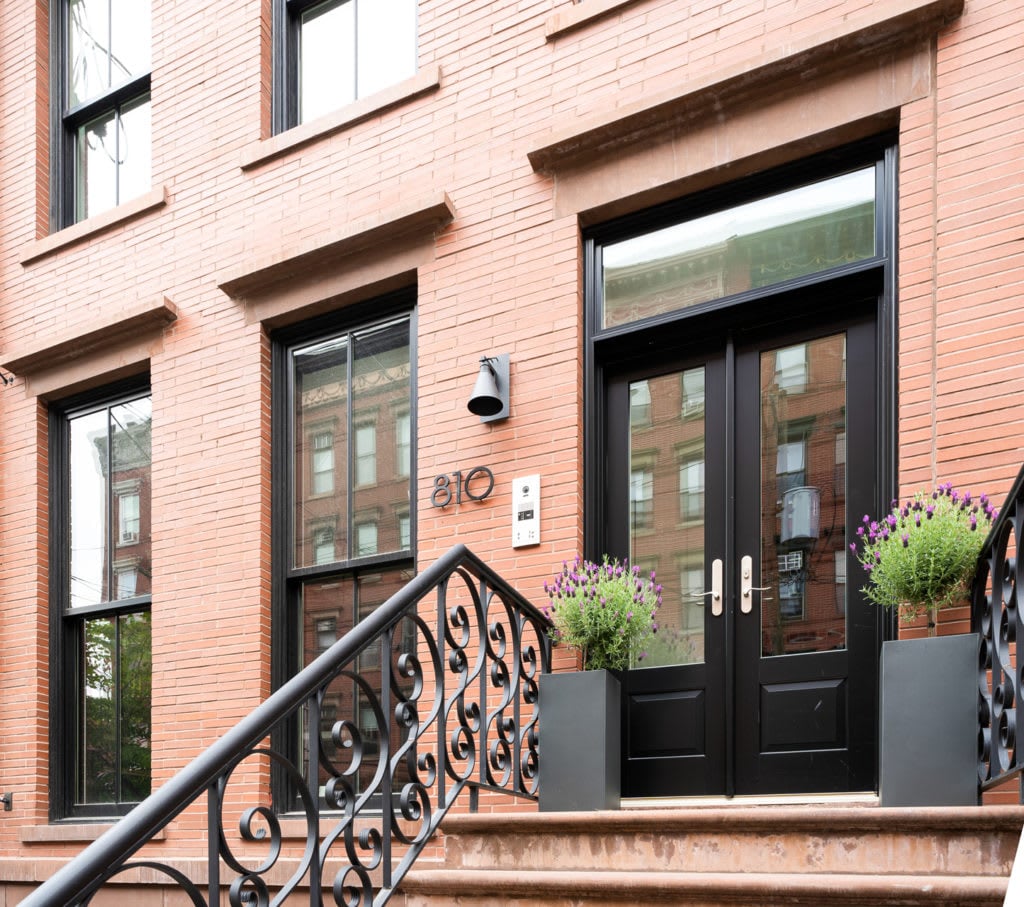
A townhome is typically a multi-floor home that shares one or two walls with neighboring homes. It usually has a private entrance and often includes a private deck, patio, or some other outdoor area. In Jersey City, townhomes often feel more like traditional house living while still being part of attached housing.
Some townhomes have HOA fees and some do not, depending on the property and community structure. If there is an association, it may cover exterior maintenance or shared amenities. That means a townhome is not always fee-free, so it is important to confirm the exact setup before you buy.
Townhome Lifestyle Advantages
Townhomes often give you better separation between spaces. Because the layout is vertical, you may have an easier time creating distinct zones for working, sleeping, entertaining, or hosting guests.
That extra separation can matter if you work from home or simply want a more house-like flow. A private entrance and possible deck or patio can also make everyday living feel a bit more independent and flexible.
Townhome Tradeoffs to Consider
More private space can also mean more responsibility. Depending on the property, you may have more upkeep to think about than you would in a condo, especially if fewer exterior tasks are handled through an association.
You should also remember that townhomes are not all the same in Jersey City. Some are historic row houses with distinctive layouts and older construction details, while others are part of newer developments with shared rules and fees. The label matters less than the actual property details.
Where Condos Are More Common
In Jersey City, condo inventory is concentrated in downtown, the waterfront, and Newport. City planning materials describe much of the downtown high-rise development as newer construction from the last twenty years, and the Newport Redevelopment Plan specifically includes apartments, townhouses, and condominiums in a high-density, transit-oriented setting.
If you are drawn to a polished building experience, shared amenities, and strong proximity to transit, these areas may feel like a natural fit. Buyers who prefer a more streamlined lifestyle often start their search in these condo-heavy sections of the city.
Where Townhomes Feel More Natural
Townhome and rowhouse living is more closely tied to Jersey City’s historic and house-oriented areas. Historic preservation materials identify Hamilton Park, Harsimus Cove, Paulus Hook, and Van Vorst Park with the classic 19th-century row house pattern.
Other areas, like West Bergen-East Lincoln Park, reflect a more house-oriented fabric with free-standing homes, some row houses, and closely spaced gable-fronted houses. If you want a more residential feel and a layout that feels less building-centered, these neighborhoods may align better with your goals.
Compare Your Day-to-Day Lifestyle
The better choice often comes down to how you want your home to function from morning to night. Instead of focusing only on price or square footage, think about how you move through your week.
Best for Work-From-Home Needs
If you need clear separation between work and personal life, a townhome may offer more flexibility. Multi-floor layouts can make it easier to create a home office away from your main living space, which can be helpful for calls, focus time, or shared living situations.
A condo can still work for remote work, especially if the building offers generous layouts or useful shared amenities. But if you need multiple quiet zones, it is smart to pay close attention to room count, layout, and storage.
Best for Entertaining
If you like hosting in shared amenity spaces or prefer lower-prep entertaining, a condo may be appealing. Lounges, roof decks, gyms, garages, and other common features can extend your living experience beyond your front door.
If you picture dinners at home, a private entrance, or casual gatherings on a patio or deck, a townhome may feel more natural. It often supports a more house-like style of entertaining, especially when you want guests to move through distinct spaces.
Best for Storage and Outdoor Space
Townhomes generally offer more day-to-day flexibility because they are built vertically and are more likely to include private outdoor space. That can be especially useful if you want room for bikes, strollers, seasonal items, or outdoor furniture.
Condos may rely more on shared amenities and may offer less private storage. Before buying, ask whether the unit includes deeded storage, garage parking, storage closets, or other dedicated space.
Don’t Overlook HOA and Association Health
Whether you buy a condo or a townhome with an association, the financial health of that association matters. In New Jersey, common-interest communities are covered under the Planned Real Estate Development program, and owners have information rights related to financial records, public meetings, and dispute resolution.
State law also now requires associations to obtain reserve studies and 30-year funding plans. If reserve funding is reduced, the association must warn owners about the possibility of special assessments or loans. That makes it especially important to review fees, reserves, and building planning before you commit.
Questions to Ask Before You Buy
- What are the monthly condo or HOA fees?
- What do those fees cover?
- Has the association completed a reserve study and long-term funding plan?
- Are there any expected special assessments or loans?
- What rules apply to renovations, exterior changes, and shared-area use?
- Is there deeded storage, garage parking, or private outdoor space?
These questions can help you compare two homes that may look similar on paper but feel very different in real life.
How to Decide What Fits You Best
A condo usually fits buyers who want location, amenities, and less exterior upkeep. A townhome usually fits buyers who want a more house-like layout, stronger separation between rooms, and the possibility of private outdoor space.
In Jersey City, the smartest decision often comes down to more than the property type alone. You will want to weigh location, monthly carrying cost, association health, reserve funding, and how much private space you truly need.
When you look at homes through that lens, the right fit becomes much clearer. And in a market as varied as Jersey City, that clarity can save you time, money, and second-guessing later.
If you are weighing condo and townhome options in Jersey City, working with a local expert can make the comparison far more practical. Kaja Bolton brings Hudson County market knowledge, thoughtful guidance, and a design-aware eye that helps you focus on how a home will really live, not just how it looks online.
FAQs
What is the main difference between a condo and a townhome in Jersey City?
- A condo is usually an individually owned unit within a larger building or community with shared common areas, while a townhome is typically a multi-floor home with a private entrance that shares one or two walls with neighbors.
Are condo fees common for Jersey City condos?
- Yes. Condo fees are common and are paid separately from your mortgage, with costs that can range from a few hundred dollars per month to more than $1,000 depending on the property.
Do Jersey City townhomes always have HOA fees?
- No. Some townhomes have HOA fees and some do not, depending on how the property or community is structured.
Which Jersey City home type is better for working from home?
- A townhome may be better if you want more separation between rooms and floors, though a condo can also work well if the layout supports your needs.
Where are condos most common in Jersey City?
- Condos are most concentrated in downtown, the waterfront, and Newport, where high-density and transit-oriented development is more common.
Where can you find more townhome-style living in Jersey City?
- Townhome and rowhouse living is often associated with areas such as Hamilton Park, Harsimus Cove, Paulus Hook, Van Vorst Park, and more house-oriented sections like West Bergen-East Lincoln Park.
Why should Jersey City buyers review association reserves?
- Reserve funding helps support future building and community repairs, and reduced reserves can increase the risk of special assessments or association borrowing.