By Kaja Bolton
When I work with sellers in Jersey City, one of the first things I emphasize is that staging is not decorating. Decorating is personal. Staging is strategic. The goal is not to fill a space with beautiful things but to create an environment where buyers can immediately picture themselves living, entertaining, and building a life.
In a market as dynamic and architecturally diverse as Jersey City, choosing the right interior design style for your staging can be the difference between a listing that lingers and one that generates multiple offers within days.
Jersey City's housing stock is one of the most varied in the region. From the landmarked brownstones of Hamilton Park and Van Vorst Park to the sleek new construction towers rising along the Hudson waterfront in Newport and Paulus Hook, each neighborhood has its own character and its own buyer profile.
I tailor my staging recommendations accordingly, and the design style I recommend always reflects both the architecture of the home and the expectations of the buyer most likely to fall in love with it.
Key Takeaways
- Staging style should align with the architecture of the property and the expectations of the target buyer
- Jersey City's diverse neighborhoods call for distinctly different design approaches
- Transitional, minimalist, and industrial-modern styles consistently perform well across Jersey City's market segments
- Thoughtful staging communicates value, lifestyle, and emotional resonance simultaneously
- The right design style reduces time on market and supports stronger offers
Know Your Neighborhood Before You Choose a Style
Jersey City is not one market. It is many markets layered on top of each other, each with its own buyer pool and lifestyle identity. The young professionals drawn to the Grove Street PATH corridor have different aesthetic preferences than the families settling into the quieter tree-lined blocks of the Heights or McGinley Square. Before I recommend a staging direction, I always start with the neighborhood and the architecture.
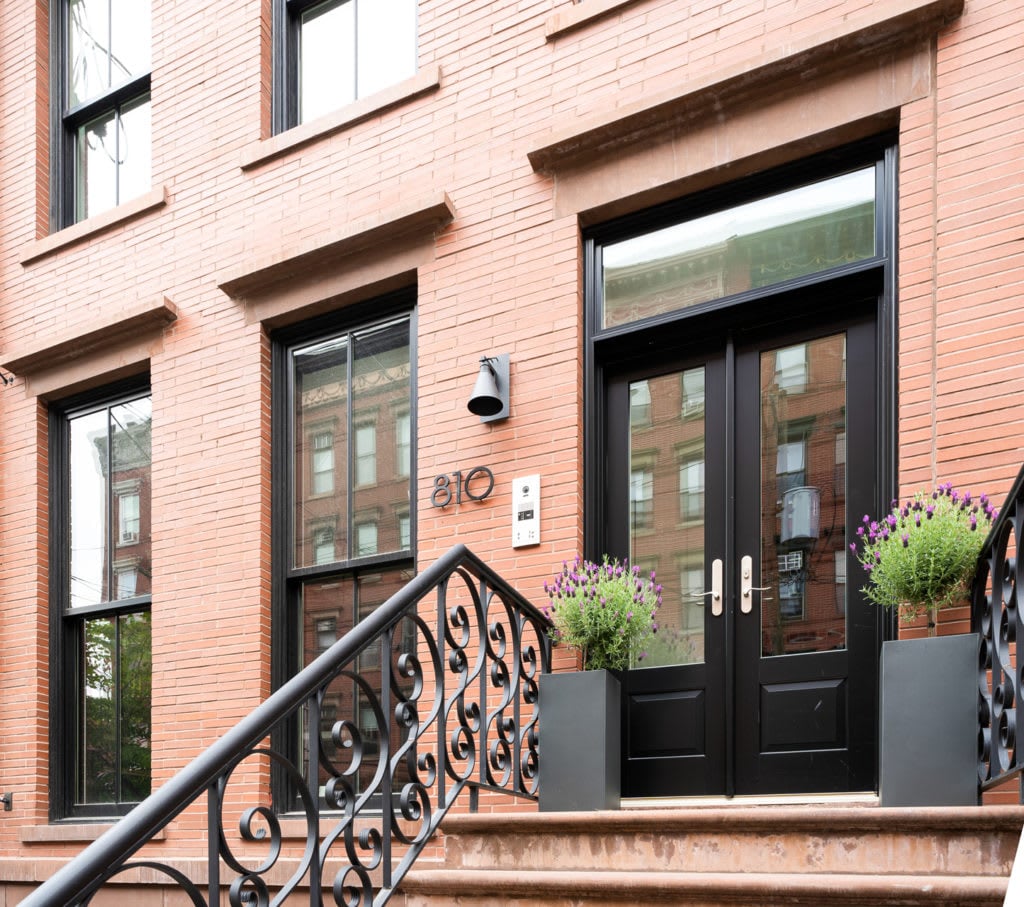
In brownstone-heavy areas like Hamilton Park and Van Vorst Park, buyers often arrive with a romantic attachment to historic detail. They want to see original moldings, exposed brick, and hardwood floors celebrated rather than covered up. In these spaces, a staging style that fights against the architecture will always feel off. The goal is to honor what is already there while making it feel fresh and livable.
In newer construction along the waterfront or in Journal Square's emerging luxury segment, buyers expect something more contemporary. Clean lines, open sightlines, and a palette that reads as sophisticated and current are the right signals to send in these spaces.
In brownstone-heavy areas like Hamilton Park and Van Vorst Park, buyers often arrive with a romantic attachment to historic detail. They want to see original moldings, exposed brick, and hardwood floors celebrated rather than covered up. In these spaces, a staging style that fights against the architecture will always feel off. The goal is to honor what is already there while making it feel fresh and livable.
In newer construction along the waterfront or in Journal Square's emerging luxury segment, buyers expect something more contemporary. Clean lines, open sightlines, and a palette that reads as sophisticated and current are the right signals to send in these spaces.
Transitional Style: The Highest-Performing Staging Approach
If I had to recommend one staging style that performs consistently well across the widest range of Jersey City properties, it would be transitional design. Transitional staging blends classic architectural elements with contemporary furnishings and finishes. It is warm without being traditional and modern without being cold. It appeals to the broadest possible buyer demographic, which is exactly what you want when your goal is to generate competitive interest.
In practice, transitional staging in Jersey City might look like a neutral sofa with clean lines paired with a vintage-inspired area rug, warm wood side tables alongside a simple metal floor lamp, and linen window treatments that let natural light fill the room. The palette stays grounded in warm whites, soft greiges, and earthy tones. Nothing feels dated, and nothing feels inaccessible.
This approach works beautifully in Hamilton Park brownstones, in Paulus Hook condos, and in the converted loft spaces that make Jersey City's architectural story so compelling.
In practice, transitional staging in Jersey City might look like a neutral sofa with clean lines paired with a vintage-inspired area rug, warm wood side tables alongside a simple metal floor lamp, and linen window treatments that let natural light fill the room. The palette stays grounded in warm whites, soft greiges, and earthy tones. Nothing feels dated, and nothing feels inaccessible.
This approach works beautifully in Hamilton Park brownstones, in Paulus Hook condos, and in the converted loft spaces that make Jersey City's architectural story so compelling.
Minimalist Modern: The Right Choice for New Construction
For Jersey City's newer construction inventory, particularly the high-rise and mid-rise condos along the Hudson waterfront and in the developments surrounding the Grove Street and Exchange Place PATH stations, a minimalist modern staging approach consistently resonates with buyers.
Minimalist modern staging is defined by restraint. Every piece of furniture serves a purpose. Every surface is intentional. The palette is tight, typically anchored by crisp whites, soft charcoals, and natural wood or stone accents. This style communicates that a home is effortless to maintain and easy to inhabit, two qualities that carry significant appeal for the busy professionals who make up a large portion of Jersey City's buyer pool.
The key to minimalist modern staging that feels elevated rather than empty is texture and layering. A simple linen throw, a stack of design books, a single sculptural plant in a matte ceramic pot. These small additions prevent the space from feeling sterile while preserving the clean, curated quality that makes this style so effective.
Minimalist modern staging is defined by restraint. Every piece of furniture serves a purpose. Every surface is intentional. The palette is tight, typically anchored by crisp whites, soft charcoals, and natural wood or stone accents. This style communicates that a home is effortless to maintain and easy to inhabit, two qualities that carry significant appeal for the busy professionals who make up a large portion of Jersey City's buyer pool.
The key to minimalist modern staging that feels elevated rather than empty is texture and layering. A simple linen throw, a stack of design books, a single sculptural plant in a matte ceramic pot. These small additions prevent the space from feeling sterile while preserving the clean, curated quality that makes this style so effective.
Industrial Chic: Honoring Jersey City's Character
Jersey City has a rich industrial history, and that heritage is visible in some of the most desirable properties on the market today. Converted warehouses, loft-style condos with exposed ductwork, and spaces with polished concrete floors are a genuine part of the city's architectural fabric. In these properties, staging that leans into the industrial character of the space always outperforms staging that tries to soften or disguise it.
Industrial chic staging pairs raw materials with warmth. Exposed brick stays exposed. Concrete floors get grounded with layered rugs. Metal-framed furniture and open shelving complement the structural honesty of the space. But I always balance the rawness with softer elements, warm lighting, organic textiles, and live plants, so the space feels livable rather than unfinished.
Buyers who seek out Jersey City's industrial loft inventory are often specifically drawn to this aesthetic. Staging that speaks their language accelerates the emotional connection and shortens the path to an offer.
Industrial chic staging pairs raw materials with warmth. Exposed brick stays exposed. Concrete floors get grounded with layered rugs. Metal-framed furniture and open shelving complement the structural honesty of the space. But I always balance the rawness with softer elements, warm lighting, organic textiles, and live plants, so the space feels livable rather than unfinished.
Buyers who seek out Jersey City's industrial loft inventory are often specifically drawn to this aesthetic. Staging that speaks their language accelerates the emotional connection and shortens the path to an offer.
Warm Organic Modern: The Style Buyers Cannot Stop Responding To
Over the past few years, one staging style has emerged as a consistent favorite with buyers across nearly every market segment in Jersey City. Warm organic modern, sometimes called organic minimalism, blends natural materials, earthy tones, and soft sculptural forms into spaces that feel genuinely serene and deeply livable.
Think linen upholstery, rattan accents, warm terracotta and sand tones, live edge wood surfaces, and botanicals that bring the outside in. This style photographs exceptionally well, performs across age demographics, and communicates the kind of intentional, wellness-oriented lifestyle that resonates with today's buyers.
I find that warm organic modern staging is particularly effective in Jersey City's mid-century and pre-war residential buildings, where the bones of the space benefit from the grounding quality of natural materials.
Think linen upholstery, rattan accents, warm terracotta and sand tones, live edge wood surfaces, and botanicals that bring the outside in. This style photographs exceptionally well, performs across age demographics, and communicates the kind of intentional, wellness-oriented lifestyle that resonates with today's buyers.
I find that warm organic modern staging is particularly effective in Jersey City's mid-century and pre-war residential buildings, where the bones of the space benefit from the grounding quality of natural materials.
Frequently Asked Questions
Do I need to completely refurnish my home to stage it effectively?
Not necessarily. In many cases, I work with what a seller already has, editing, repositioning, and supplementing with rental pieces or accessories where needed. A full restage is sometimes the right call, but a strategic partial stage can be equally effective when done thoughtfully.
How do I know which staging style is right for my Jersey City property?
The answer almost always starts with the architecture and the neighborhood. I look at the bones of the space, the target buyer profile, and the competitive inventory nearby before recommending a direction. There is no universal formula, which is why personalized guidance matters.
Does staging really affect sale price in Jersey City?
Consistently, yes. Staged homes spend less time on market and tend to attract stronger initial offers because they help buyers perceive value immediately rather than requiring them to imagine potential. In a market as competitive as Jersey City, that perception difference translates directly into financial outcomes.
What if my property is vacant? Is staging still worth it?
Absolutely. Vacant properties are notoriously difficult to sell because empty rooms make it nearly impossible for buyers to gauge scale, function, or livability. Staging a vacant Jersey City property is one of the highest-return investments a seller can make.
Let's Prepare Your Jersey City Home Together
Every property has a story worth telling, and the right staging strategy tells it beautifully. I bring a deep knowledge of Jersey City's neighborhoods, buyer expectations, and design trends to every listing I represent. If you are thinking about selling and want to make sure your home is positioned to perform at its absolute best, I am here to help you build a strategy that works. Connect with me directly at Hoboken Living and let's get started.
Recommended reading: Luxury Home Design Trends for 2024
Recommended reading: Luxury Home Design Trends for 2024